







Search Results for: gooseneck kettle selection
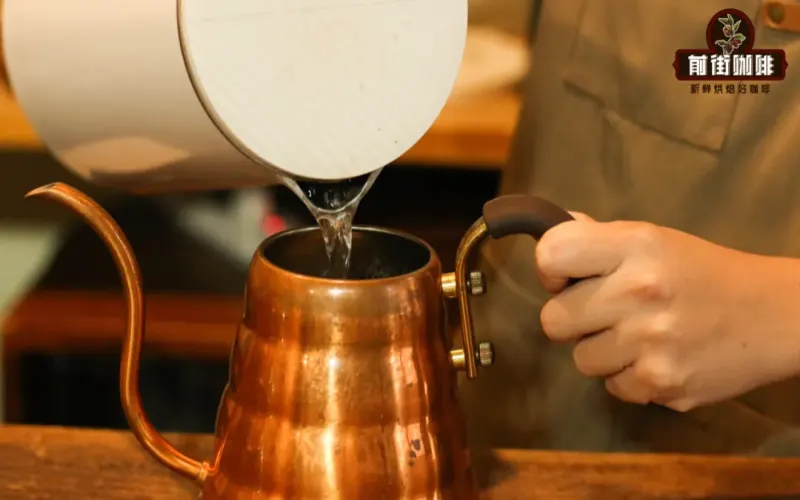
How to Choose a Pour-Over Coffee Pot? What Capacity Should You Pick? Can It Be Heated Directly? Everything Explained in One Article
Many friends who are just getting into pour-over coffee wonder: it's just brewing a cup of coffee, why do you have to use a specialized pour-over kettle? Can't an ordinary kettle pour water too? Is there really a hard-and-fast rule that you must use a pour-over kettle? What capacity should you buy? Can it be heated directly on the stove? This article addresses these frequently asked questions, first explaining that pour-over coffee actually has no mandatory requirement for a pouring tool, then comparing the differences between specialized pour-over kettles and tools like ordinary kettles, to help you understand what makes a pour-over kettle good, how to choose one, and what details to pay attention to when buying. [more…]
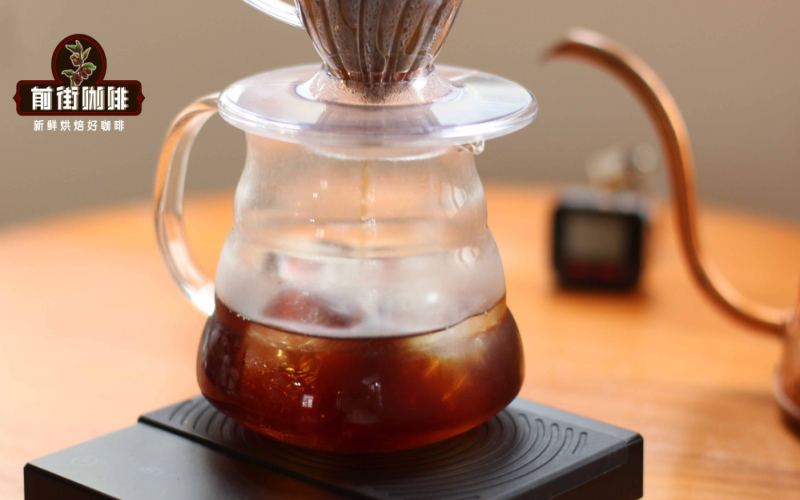
A Beginner's Guide to Pour-Over Coffee Gear: Complete Setup Advice from Grinder and Kettle to Dripper
To brew a delicious pour-over coffee at home or in the office, the choice of equipment often determines success or failure before technique even comes into play. Faced with the bewildering array of drippers, gooseneck kettles, and grinders on the market, beginners can easily fall into choice paralysis. This article starts with selecting coffee beans, then works through grinder burr types, grind size calibration, gooseneck kettle capacity and temperature control, dripper and filter paper pairing, scales, and serving carafes, and offers Front Street Coffee's specific product recommendations for different budgets and taste preferences, helping those new to pour-over assemble a smooth-working setup at a reasonable cost. [more…]
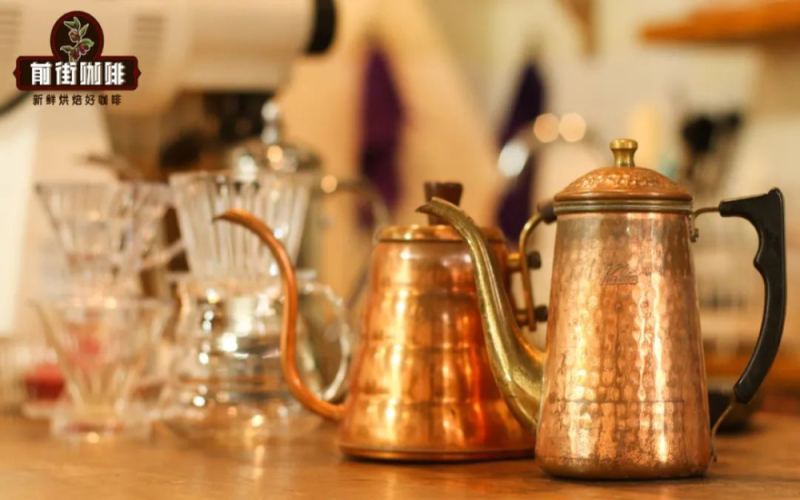
Pour-Over Coffee Equipment Buying Guide: How to Choose a Grinder, Gooseneck Kettle, Dripper, and Digital Scale
Want to get into pour-over coffee but feel overwhelmed by the dizzying array of gear on shopping platforms? On a limited budget, what should you prioritize, and how should you allocate your spending for the best value? Front Street Coffee breaks down the most essential pieces of pour-over equipment for you: the grinder, which determines the ceiling of flavor; the pouring kettle, which affects your pouring feel; the dripper, which influences filtration; and the digital scale, which makes your data visible. Starting from a ranking of importance, this article explains the key points for choosing each piece of gear and offers advice on pitfalls to avoid, helping you build a truly practical pour-over setup within a limited budget—so you take fewer detours and brew a delicious cup as quickly as possible. [more…]
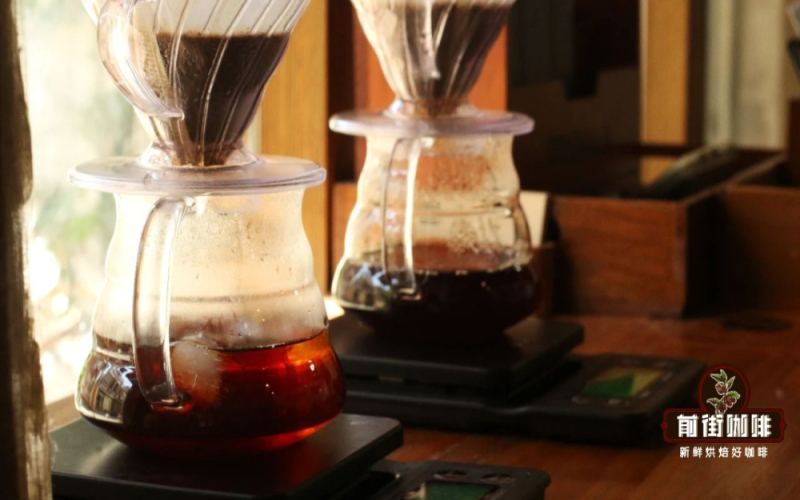
The Complete Guide to Buying a Pour-Over Kettle: Temperature Control, Spout, Body, Material, and Price Explained in One Go
Faced with the dazzling array of pour-over kettles on e-commerce platforms, many coffee enthusiasts often don't know where to start. Although pour-over kettles are basically composed of a spout, body, handle, and lid, different shapes directly affect pouring performance. Front Street Coffee will systematically sort out the selection approach for pour-over kettles from dimensions such as temperature-controlled vs. non-temperature-controlled, spout type, body capacity and center of gravity, handle feel, material, and price. The article will also introduce the pouring characteristics and representative products of different spouts such as narrow gooseneck, wide gooseneck, crane-neck, flat spout, and eagle spout, helping you find the one that better suits you between budget and needs. [more…]
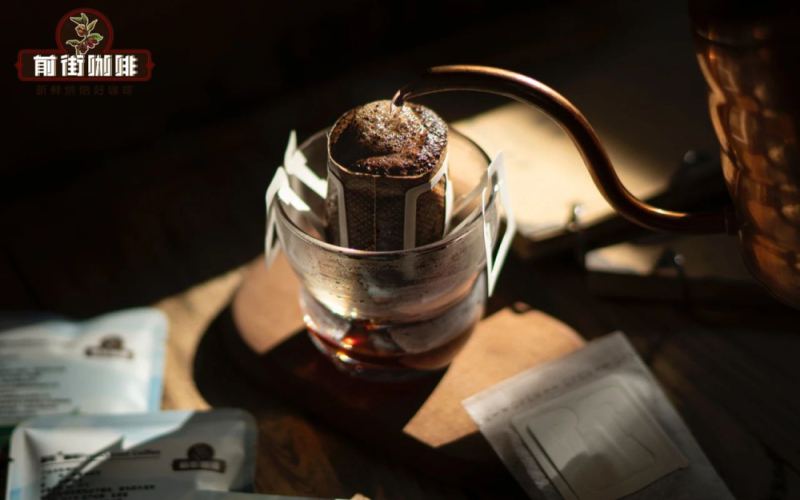
The Complete Guide to Drip Bag Coffee Brewing: Three Key Details for Coffee-to-Water Ratio and Water Temperature Control
Drip bag coffee may seem simple, but to brew an ideal cup, three details are indispensable: the pouring method, the coffee-to-water ratio, and the water temperature. In this article, a barista from Front Street Coffee shares practical brewing tips, breaking down everything from bean selection to specific steps. Whether you prefer floral notes, fruity acidity, or a rich, full-bodied taste, you'll find a drip bag coffee recommendation that suits you. The article also explains in detail how to keep a steady stream of water using a gooseneck kettle, precisely control the ratio with a graduated cup, and maintain the water temperature between 85 and 95 degrees Celsius to avoid off-flavors and a gritty mouthfeel. Master these key points, and your everyday drip bag coffee can easily be elevated to the next level. [more…]
A Complete Guide to Pour-Over Coffee Starter Equipment: From Grinders to Drippers – Buying Advice and Brand Recommendations
To brew a delicious pour-over coffee at home, having the right set of equipment is essential. Faced with the overwhelming variety of choices on the market, many beginners often feel at a loss. In fact, as long as you understand the function of each tool and the key points for selecting them, getting started is not as complicated as you might imagine. This article systematically covers the core equipment needed for pour-over coffee, including the grinder, filter paper, gooseneck kettle, dripper, server, and auxiliary tools, and explains in detail how different materials and shapes affect coffee flavor. Whether you are a beginner just getting into pour-over or an enthusiast looking to upgrade your gear, you will find practical purchasing guidance here. [more…]
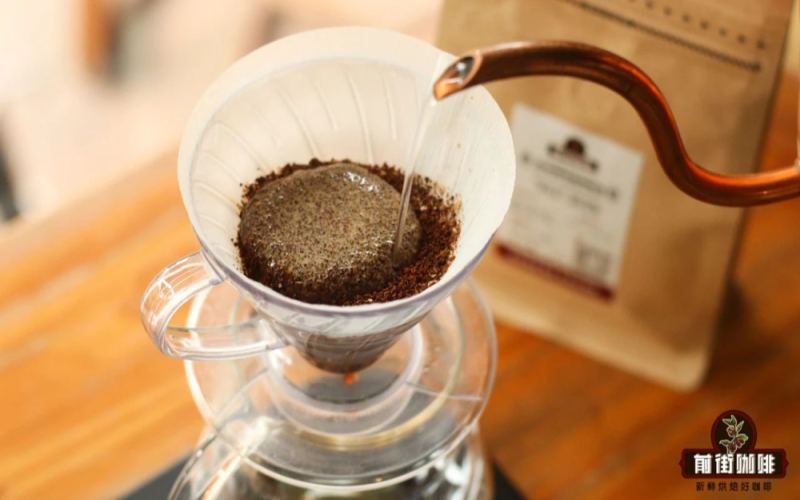
Learning Pour-Over Coffee from Scratch: A Complete Step-by-Step Process and Practical Water Flow Control Techniques
For friends who are just getting into pour-over coffee, everything from choosing equipment to pouring technique can become a stumbling block. Many people piece together what they learn from online videos, taking plenty of detours before gradually figuring out the tricks of the trade. In fact, as long as you sort out the order of the brewing process and master a few key techniques, getting started isn't as difficult as you might imagine. Drawing on the practical experience of Front Street Coffee, this article systematically lays out the basic steps of pour-over coffee, focuses on the core challenge of water flow control, and shares insights on selecting and modifying the spout of a pouring kettle, helping beginners pour a steady stream of water in the shortest time possible and making every cup of pour-over more reliable. [more…]
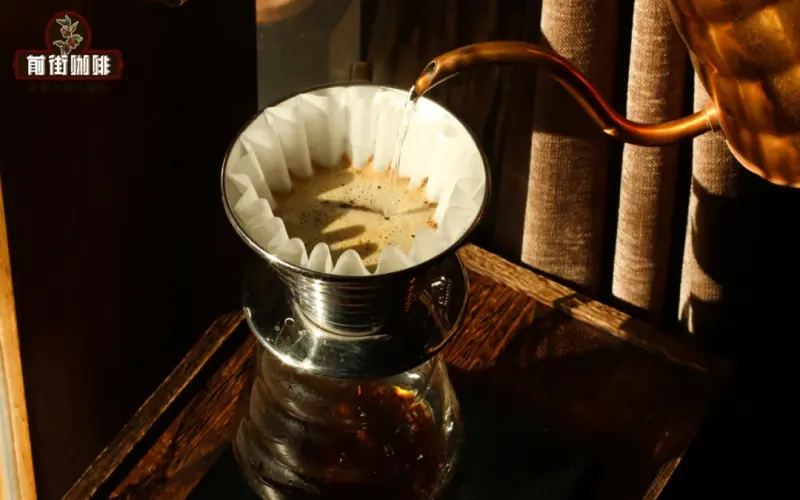
A Complete Guide to Pour-Over Coffee Water Pouring Techniques: A Practical Guide from Water Control Practice to Stable Flow
Beginners just getting into pour-over coffee often find that pouring water is far harder than they imagined—the stream surges and sputters, and their hands shake badly. The state of the coffee bed after brewing directly reflects how evenly the water was poured. Water control is a skill that demands proficiency; only after developing muscle memory and thoroughly getting in tune with your pour-over kettle can you pour exactly as you wish. Normally, a complete novice can master a steady stream after about two and a half weeks of practice, but if you learn a few techniques in advance, you can pour a relatively steady stream in as little as three days. From Front Street's perspective, this article walks beginners through the key points of pour-over kettle spout selection, water volume control, pouring motions, and circular pouring practice, helping everyone avoid detours and quickly improve their brewing and tasting skills. [more…]
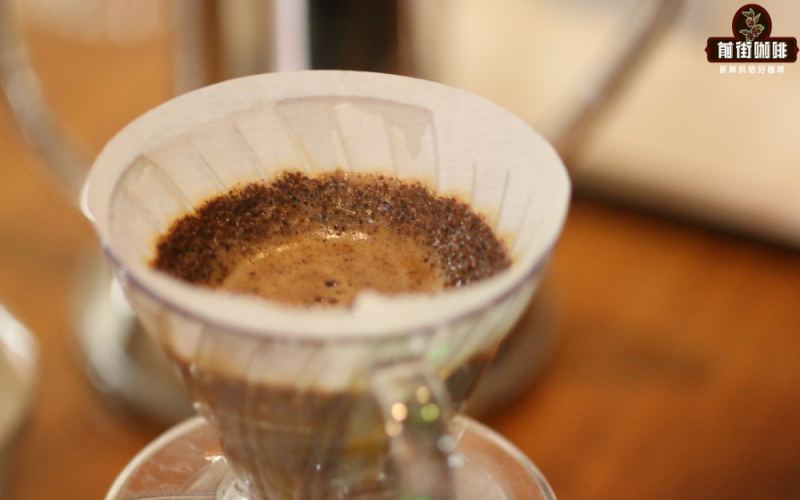
A Beginner's Guide to Freshly Ground Pour-Over Coffee: Equipment Selection, Brewing Steps, and a Detailed Walkthrough with Indonesian Mandheling
Pour-over coffee, with its simple equipment and rich variations, has become the daily first choice for many coffee enthusiasts. Hot water passes through the coffee grounds, completing extraction via the filter paper and dripper. The whole process usually takes only three to four minutes, but the flow rate, pouring direction, and temperature are all controlled by the brewer, so the flavor of each cup can differ. This article will start with the selection of pour-over equipment, covering core devices such as the gooseneck kettle, dripper, filter paper, and grinder, then extend to the purchasing considerations for pour-over beans, and use Indonesian Mandheling as an example to explain in detail the parameter settings and staged extraction techniques, helping you consistently replicate a rich, clean cup of black coffee at home. [more…]
A Detailed Guide to Pour-Over Coffee Pouring Techniques: From Spout Selection to Practical Exercises for a Steady Stream
In the extraction process of pour-over coffee, water flow control is one of the key factors determining the quality of the final cup. However, many beginners discover in practice that maintaining a steady pour is far more difficult than they imagined—problems such as the flow rate surging and dropping, stopping and starting, and the arm trembling occur frequently. In a previous article, Front Street Coffee explained the important influence of water flow on extraction; today we focus on the practical side, sharing how to improve your water control ability in a relatively short time by choosing a suitable spout and mastering practice techniques. The article will also introduce methods for modifying a pour-over kettle, helping enthusiasts who already own equipment reduce the difficulty of water control, quickly develop muscle memory, and pour the steady stream they envision. [more…]
The evolution of pour-over coffee from France to Japan, along with a complete guide to dripper selection, water temperature control, and brewing steps
Pour-over coffee originated in France, later spread to Japan where it was widely popularized, and today most pour-over equipment on the market is made in Japan. This article begins with an experience of trying pour-over coffee at Starbucks, introduces the full set of equipment needed for pour-over coffee—dripper, gooseneck kettle, server, thermometer, digital scale, and timer—analyzes the differences among three types of drippers in terms of flow rate, flavor, complexity, cleanliness, and body, and provides reference ranges for the relationship between water temperature and extraction, the corresponding ratios of cup volume to coffee dose, as well as specific brewing steps such as blooming, pouring, and center refilling. Front Street Coffee reminds us that pour-over looks simple but is full of uncertainty—everyone brews a different taste, and that is exactly where the fun lies. [more…]
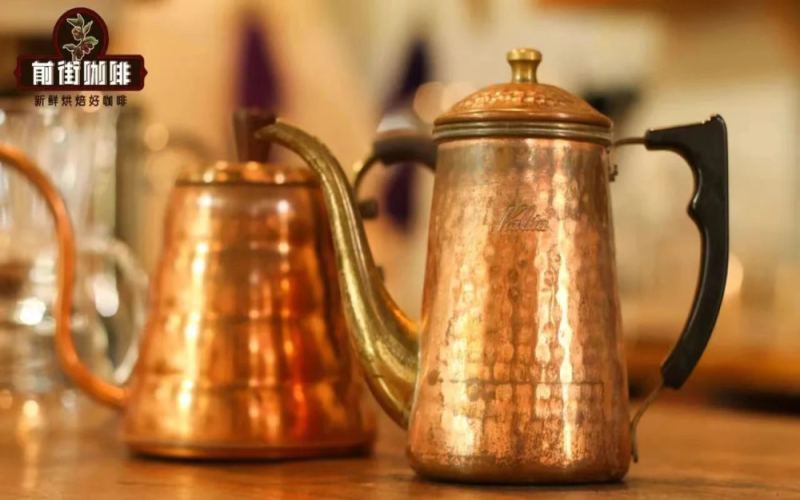
A Complete Guide to Choosing a Home Pour-Over Kettle for Beginners: Practical Selection Tips from Temperature Control and Spout to Material
Want to get your hands on a pour-over kettle but feel overwhelmed by the bewildering array of styles on the market and don't know where to start? Actually, choosing a kettle is like a swordsman choosing a sword—a well-suited one can greatly reduce the difficulty of controlling the water flow, letting even beginners brew consistently good-tasting coffee. This article draws on Front Street's hands-on experience to break down the key points of choosing a kettle one by one: the choice between temperature-controlled and non-temperature-controlled models, how the spout shape affects the water flow, the kettle body capacity and handle design, and the trade-offs among materials like stainless steel, copper, and enamel porcelain. At the end, we've also included a flavor sequence of Front Street Coffee beans suitable for beginners to try step by step, helping you sort out your buying logic all at once. [more…]
The Complete Guide to Pour-Over Coffee Water Flow Control: From Kettle Selection to Circular Pouring Techniques, a Systematic Method for Developing a Stable Stream
Whether you can brew a good cup of coffee often hinges on one key element: pouring and flow control. Parameters can be adjusted through understanding and trial and error, but flow control is more of a technical skill that relies on muscle memory—it requires choosing the right equipment, adopting the correct posture, and practicing repeatedly. This article starts with the spout diameter and water capacity of the pour-over kettle, explaining how different choices affect the difficulty of practice. It then goes on to explain the posture points during pouring, such as the distance between your body and the dripper and the height of your arm. Finally, it provides a complete training sequence from a thin stream to a thick stream, and from a steady straight line to concentric circles, helping coffee enthusiasts build stable flow control skills in a short time. The article also retains practical observations and suggestions from Front Street Coffee stores for readers' reference. [more…]
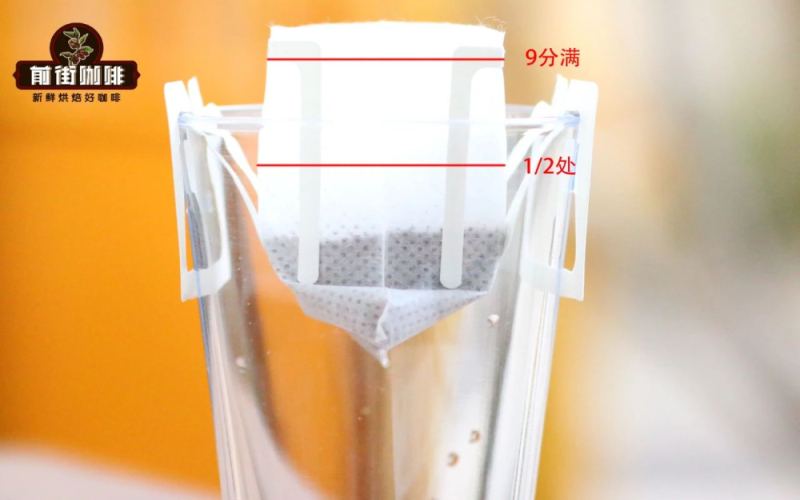
Three Keys to Better-Tasting Drip Coffee: A Practical Guide to Grind Size, Water Temperature, and Coffee-to-Water Ratio
Pour-over drip bag coffee brewing may seem simple, but if you want to brew an ideal cup, you cannot overlook three details: grind size, coffee-to-water ratio, and water temperature. This article explains, one by one, how each step—from pouring method and grind selection to ratio control and temperature management—affects the final taste, and provides specific product examples from Front Street Coffee's drip bags to help you avoid common pitfalls and consistently brew a delicious cup of drip bag coffee at home. [more…]
Instant, drip bag, and pour-over coffee: analyzing the differences among the three—which has the better taste, drip bag or freshly ground coffee?
Faced with the dazzling array of instant products on supermarket shelves, portable drip bags, and pour-over coffee requiring a full set of equipment, many enthusiasts are often confused about what essentially distinguishes them. This article will systematically sort out the core differences between instant, drip bag, and pour-over coffee from the dimensions of production process, raw material selection, flavor performance, and ease of operation, and give a clear answer to the common question of "which tastes better, drip bag coffee or freshly ground coffee." At the same time, the article will also provide specific Front Street Coffee bean purchasing suggestions for friends with different taste preferences, as well as a recommendation for the Front Street Five Origins Classic Flavor Drip Bag Set suitable for busy office workers, helping you quickly find the cup that suits you best. [more…]
Drip Bag Brewing Method | How to Brew Drip Bag Black Coffee So It Tastes Good? What Ratio, Water Temperature, and Time Are Best for Brewing Drip Bag Coffee? What Varieties of Drip Bag Coffee Are There?
Recently, many friends have purchased drip bag coffee and asked for brewing recommendations. Today, the barista from FrontStreet Coffee is here to share how to brew drip bag coffee. You should know that a delicious cup of coffee first depends on good beans. Here, FrontStreet has briefly listed a few suitable [more…]
Drip Bag Coffee Powder-to-Water Ratio | How to Brew Filter Coffee Bags for Better Taste? What Techniques Are There for Brewing Drip Bag Coffee? How Many Flavors Do Drip Coffee Bags Come In?
Recently, many friends have purchased drip bag coffee and asked for brewing recommendations. Today, the barista from Front Street Coffee is here to share a method for brewing drip bag coffee. You should know that a delicious cup of coffee first depends on good beans. Here, Front Street briefly lists a few suitable [more…]
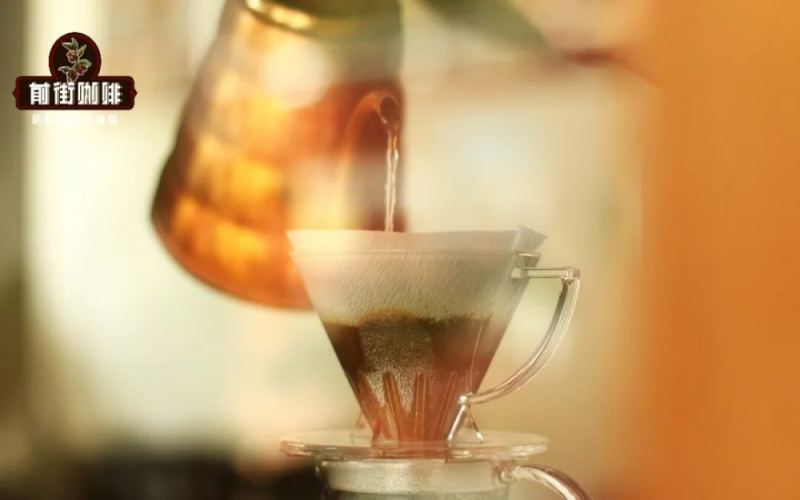
How Should Beginners Choose Pour-Over Coffee Equipment? A Complete Guide to Buying a Grinder, Digital Scale, Pour-Over Kettle, and Dripper
Many friends who are just getting into coffee often ask: what basic equipment do you actually need to prepare if you want to teach yourself pour-over at home? In fact, pour-over may seem professional and complicated, but once broken down, it is nothing more than a grinder, a digital scale, a gooseneck kettle, a dripper and filter paper, a server, and coffee beans. This article gives purchasing suggestions one by one according to budget and needs, and offers reference directions for the common bean-selection confusion beginners face. Front Street will also draw on everyday experience to share ideas for choosing everyday beans, helping you gradually build your judgment of brewing and flavor while keeping costs under control. [more…]
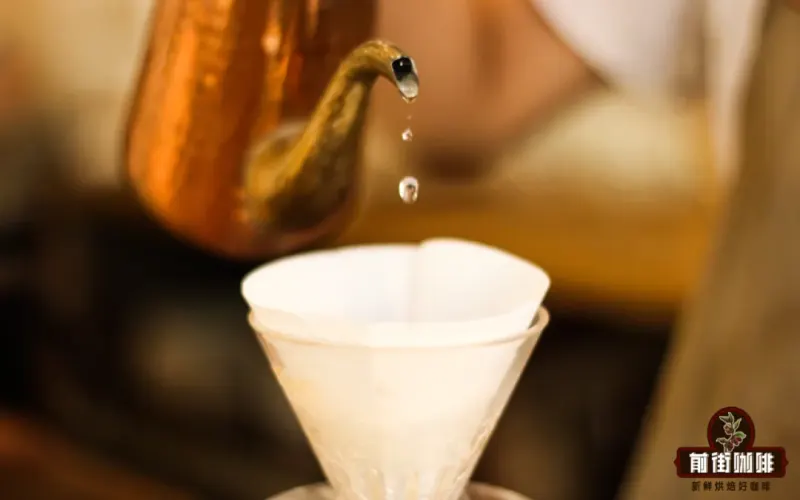
A Complete Guide to the Kono Drip Method: From Grind Size to Pouring Rhythm, the Ultimate Pursuit of Mellow Sweetness in Dark Roast Coffee
The drip method, hailed as one of the most challenging brewing techniques in the pour-over field, was invented in 1973 by the Kono family, founders of the Kono brand. Through its unique rhythm of dripping first and then pouring, it allows dark-roasted coffee to present a fuller body and higher sweetness. This article will provide a complete analysis of every detail of the Kono-style drip method, from its origin and background, brewing principles, and equipment selection, to specific parameters and step-by-step operations. Front Street Coffee uses Sumatra PWN Golden Mandheling as an example to share the complete process and precautions of this high-concentration, low-extraction brewing method, leading you to appreciate the charm of the drip method. [more…]
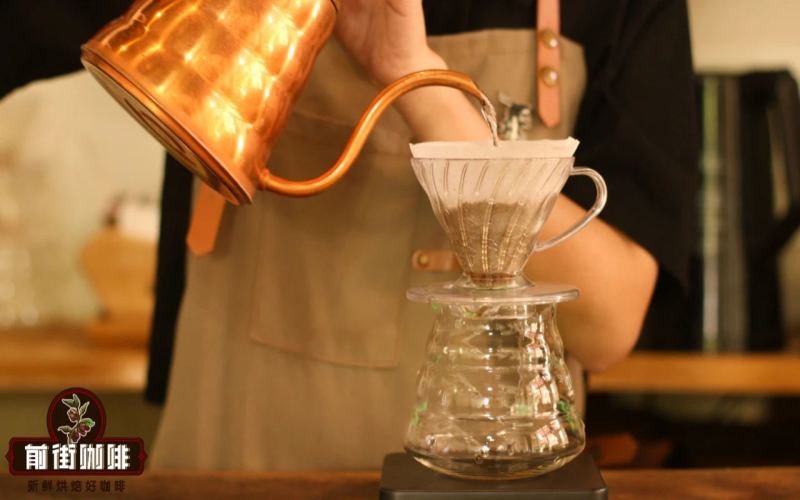
Definition of Pour-Over Coffee | What Coffee Equipment Is Needed to Make Pour-Over Coffee? How Does the Coffee-to-Water Ratio Differ Between Pour-Over Coffee and Iced Pour-Over Coffee?
What is "pour-over coffee"? Coffee beans undergo a series of chemical reactions during high-temperature roasting, generating various aromatic compounds. When we brew coffee, we use water and equipment to release these aromatic components. Pour-over coffee involves first grinding the coffee beans into powder, then pouring hot water to contact the coffee bed, "dissolving" the substances in the coffee. [more…]